













Epidemiological port on Riemerella anatipestifer Infection in Broilers
Release Time : 2026-01-28
Author : Hebei Jinfeng Animal Pharmaceutical Co., Ltd.

Scan to share on WeChat
In WeChat, tap 'Discover' and scan
Scan the QR code to share to Moments.


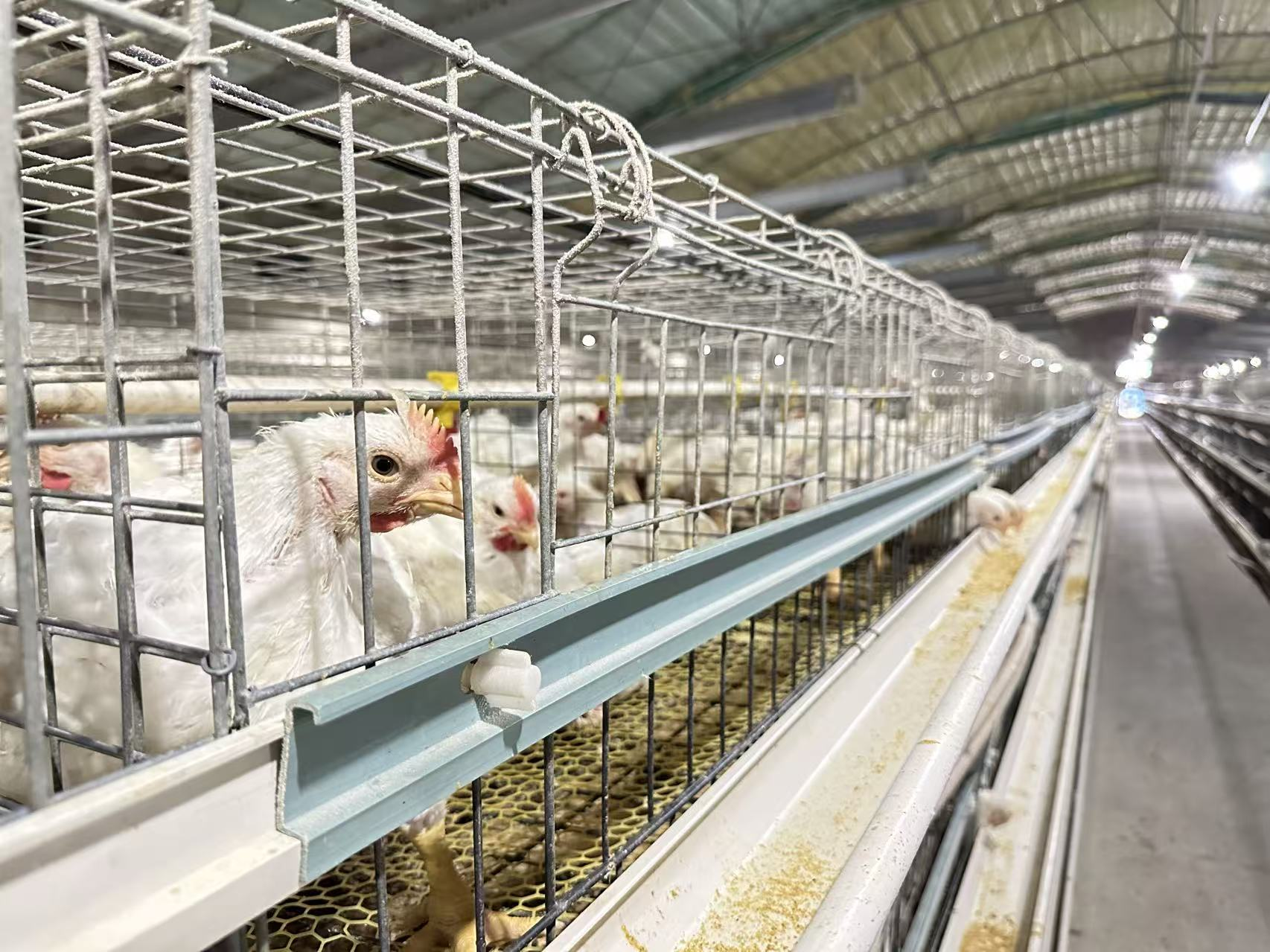
Since the onset of winter, there has been a persistent increase in cases of Riemerella anatipestifer infection in broilers in Shandong, Hebei, and northeastern regions of China. The age of onset has shifted from the previously observed 25–30 days to approximately 10 days. Mortality in cases of single infection can reach 5%–10%. The disease often occurs concurrently with other infections such as colibacillosis, Newcastle disease, atypical infectious bursal disease, and infectious bronchitis. Under mixed-infection conditions, mortality can further increase, reaching over 20% in severe cases.
I. Major Clinical Symptoms
Affected birds primarily exhibit typical pericarditis, perihepatitis, and peritonitis (collectively termed "three inflammatory lesions"). Some cases may present with swelling of the leg joints, paralysis, and neurological symptoms. The clinical manifestations of this disease exhibit a certain degree of complexity: it shares visceral inflammatory lesions similar to those seen in *Escherichia coli* infections, joint swelling and movement disorders resembling those caused by *Mycoplasma synoviae* infections, and may also show neurological symptoms akin to those of Newcastle disease. Differential diagnosis should be carefully considered in clinical practice.
II. Main Etiological Factors
1. Inadequate pathogen elimination in breeder flocks, leading to vertical transmission via eggs;
2. Improper ventilation management during the rearing process, resulting in cold stress and a reduction in mucosal immune barrier function;
3. Immunosuppressive diseases (such as infectious bursal disease and chicken infectious anemia) impairing immune function and reducing flock resistance.

III. Comprehensive Prevention and Control Measures
1. Source Management: Select chicks from hatcheries with a documented history of effective disease control;
2. Environmental Control: Enhance husbandry practices by balancing ventilation and insulation to prevent cold stress;
3. Immunomodulation: Administer immunopotentiating agents (e.g., astragalus polysaccharides, immunopeptides) at an early stage to mitigate immunosuppression and enhance non-specific resistance;
4. Rational Use of Therapeutics: Choose sensitive antibiotics based on antimicrobial susceptibility testing. Aminoglycosides, quinolones, and cephalosporins have demonstrated favorable efficacy in clinical applications;
5. Biosecurity: Given the high contagiousness of the disease, promptly identify and isolate symptomatic individuals (especially those with paralysis) to prevent pathogen spread within the facility.
IV. Conclusion
Riemerella anatipestifer infection is a common bacterial disease in modern intensive poultry farming systems and is expected to persist in the foreseeable future. Through strengthened breeder source management, optimized environmental conditions, judicious use of pharmaceuticals, and strict implementation of biosecurity measures, the disease can be effectively prevented and controlled. Poultry producers should adopt a science-based approach to disease management, avoid indiscriminate drug use, and prioritize integrated control strategies.


Related News










contact us
contact us